
 Mon – Fri: 8:00 AM – 5:00 PM
 2306 El Camino Real Redwood City, CA 94063
 (650) 365-4145

European vehicles offer excellent performance, comfort, and driving control. However, their clutch systems need proper maintenance to deliver smooth performance. Regular driving, heavy traffic, and poor driving habits can cause clutch components to wear out. A damaged clutch can affect acceleration, gear shifting, and overall driving safety. Ignoring early warning signs can also lead to expensive transmission repairs.
This is where professional European clutch repair becomes important. An experienced technician can identify clutch problems and recommend the right solution. Understanding how your clutch works can help you recognize problems early. It can also help you make better decisions about repairs and replacement.
Cerrones European provides professional European auto repair services backed by 15+ years of experience. The company focuses on reliable repairs, accurate inspections, and quality service. Drivers can trust experienced professionals to help maintain their vehicles and restore smooth driving performance.
What Is a Clutch and How Does It Work?
A clutch is an important part of a vehicle’s manual transmission system. It connects and disconnects the engine from the transmission. This process allows drivers to change gears without stopping the engine.
When you press the clutch pedal, the clutch system separates the engine’s power from the gearbox. This allows you to select another gear smoothly. When you release the pedal, the clutch connects both systems again.
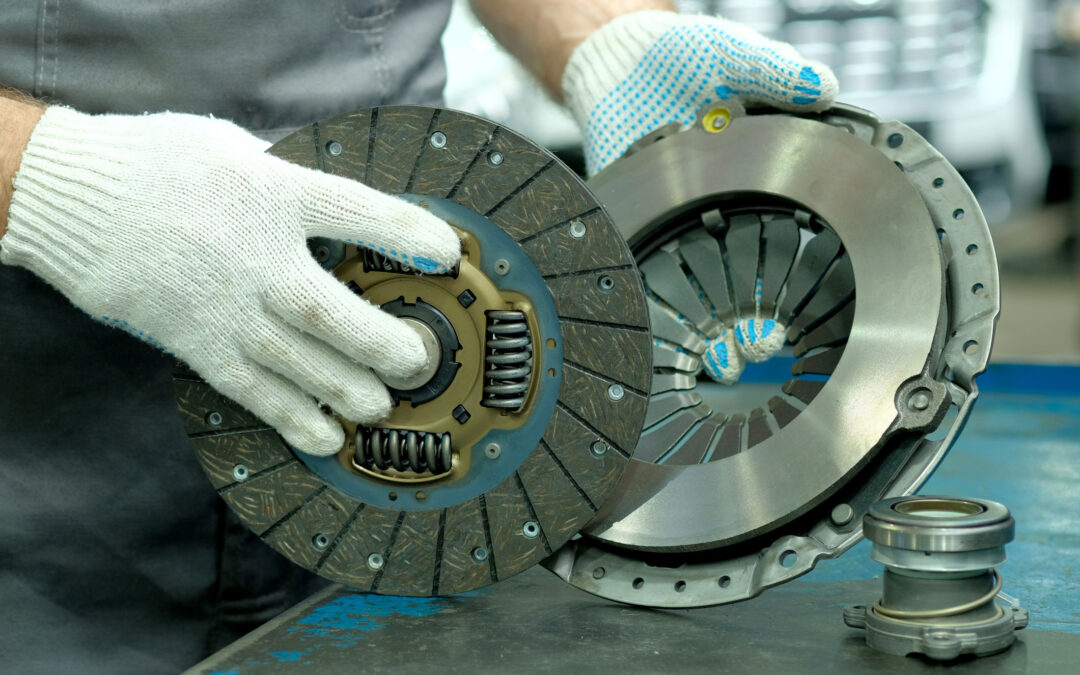
A standard clutch assembly contains several important components:
- Clutch Disc: Transfers engine power to the transmission through friction. Its friction material wears down with regular use.
- Pressure Plate: Holds the clutch disc against the flywheel. It releases pressure when you press the clutch pedal.
- Flywheel: Connects to the engine and provides a smooth surface for the clutch disc.
- Release Bearing: Helps release pressure from the pressure plate when the clutch pedal moves.
- Clutch Master Cylinder: Converts pedal movement into hydraulic pressure in hydraulic clutch systems.
- Clutch Slave Cylinder: Receives hydraulic pressure and helps operate the clutch release mechanism.
Some European vehicles also use a dual-mass flywheel. This component reduces engine vibrations and improves driving comfort. All these components must work together correctly. A problem with one part can affect the entire clutch system.
Common Signs Your European Vehicle Needs Clutch Repair
Clutch problems usually develop gradually. Drivers should understand the warning signs before the damage becomes serious.
1. Clutch Slipping During Acceleration
Clutch slipping is one of the most common signs of clutch damage. You may notice that the engine RPM increases without a similar increase in vehicle speed. This happens when the clutch disc cannot maintain proper contact with the flywheel. Worn friction material is a common cause. Oil contamination and pressure plate problems can also create slipping.
You may notice this problem when driving uphill or accelerating at higher speeds. Professional inspection can identify the exact cause.
2. Difficulty Changing Gears
Your vehicle should allow smooth gear changes when the clutch system works correctly. A damaged clutch can make gear selection difficult. You may experience resistance when selecting first gear or reverse. Sometimes, the transmission may produce grinding sounds during gear changes.
This problem can develop because of a worn clutch disc, hydraulic failure, or release bearing problems. A technician should inspect the complete clutch system before recommending repairs.
3. Burning Smell While Driving
A strong burning smell can indicate excessive clutch friction. This smell often develops when the clutch slips repeatedly. Holding the vehicle on an incline using the clutch can also create excessive heat. Continuous slipping can damage the clutch disc and pressure plate.
Do not ignore this warning sign. Continued driving can increase repair costs and damage other clutch components.
4. Soft or Stiff Clutch Pedal
A clutch pedal should feel consistent during normal driving. A pedal that suddenly becomes soft, stiff, or difficult to press needs attention. A soft pedal can indicate hydraulic fluid leakage or air inside the system. A stiff pedal may point toward mechanical resistance or problems with the release mechanism.
Sometimes, the pedal may remain close to the floor. This condition can indicate a failing master cylinder or slave cylinder.
5. Unusual Noises When Pressing the Clutch
Unusual sounds can indicate problems inside the clutch assembly. You may hear grinding, rattling, squeaking, or clicking noises. A worn release bearing can produce noise when you press the clutch pedal. A damaged dual-mass flywheel can also create rattling sounds.
Proper diagnosis helps technicians identify the source. Replacing the wrong component will not solve the original problem.
What Causes European Clutch Problems?
European vehicles use different clutch designs depending on their manufacturer, model, engine, and transmission. However, several common factors can affect clutch performance.
- Regular Wear and Tear: Clutch components experience friction during normal driving. Over time, the friction material becomes thinner and loses its ability to transfer engine power effectively. Driving conditions and vehicle usage influence clutch life. Frequent stop-and-go traffic can increase clutch wear.
- Incorrect Driving Habits: Certain driving habits place unnecessary pressure on clutch components. Keeping your foot on the clutch pedal while driving increases wear. Riding the clutch during traffic can also generate excessive heat. Drivers should avoid holding their vehicles on hills using the clutch.
- Hydraulic System Problems: Many European vehicles use hydraulic clutch systems. These systems depend on proper fluid pressure to operate correctly. Damaged seals, leaking cylinders, and contaminated fluid can affect clutch operation. Air inside hydraulic lines can also create pedal problems.
- Oil or Fluid Leakage: Oil leakage can contaminate the clutch disc. This reduces friction and may cause the clutch to slip. Damaged engine seals or transmission seals can allow oil to reach the clutch assembly. Technicians should identify and repair the leakage source.
- Dual-Mass Flywheel Damage: Some European vehicles use dual-mass flywheels to reduce engine vibrations. Internal wear can create rattling noises and vibrations. A damaged flywheel can also affect clutch engagement. Technicians should inspect it during clutch replacement.
How Professional European Clutch Repair Works
Professional clutch repair requires proper inspection and technical knowledge. Replacing components without identifying the actual problem can lead to repeated failures. At Cerrones European, the repair process should focus on identifying the cause before recommending a solution.
Step 1: Initial Vehicle Inspection: Technicians begin by understanding the symptoms reported by the driver. They check clutch pedal movement, engagement, and gear selection. This initial inspection helps identify possible mechanical or hydraulic problems.
Step 2: Clutch System Diagnosis: The technician checks the clutch assembly and related components. They inspect the release mechanism, hydraulic cylinders, and possible fluid leakage. A road test may also help reproduce slipping, vibration, or engagement problems when safe.
Step 3: Component Inspection: If necessary, technicians remove the transmission to access the clutch assembly. They inspect the clutch disc, pressure plate, release bearing, and flywheel. They also check for oil contamination, heat damage, and unusual wear.
Step 4: Repair or Clutch Replacement: The correct repair depends on the inspection results. Some problems require hydraulic repairs rather than complete clutch replacement. When the clutch assembly shows excessive wear, technicians may recommend replacing the clutch kit. Related components should also receive proper inspection.
Step 5: Installation and Final Testing: Correct installation is essential for reliable clutch performance. Technicians must use suitable parts and follow vehicle-specific procedures. They should also check component alignment, hydraulic operation, and flywheel condition. Final testing confirms proper clutch engagement and gear selection.
Which European Vehicles May Need Clutch Repair?
Different European manufacturers use different transmission and clutch technologies. Each vehicle requires suitable parts and repair procedures. European clutch repair may apply to vehicles from manufacturers such as:
- BMW: Clutch slipping, hydraulic problems, and flywheel wear can affect manual BMW models.
- Mercedes-Benz: Clutch engagement issues and release system problems may require professional diagnosis.
- Audi: Worn clutch components can cause slipping, vibrations, and difficult gear changes.
- Volkswagen: Manual transmission models can develop clutch wear through regular driving.
- Porsche: Certain manual Porsche models require specialized attention to clutch and flywheel components.
- Volvo: Hydraulic clutch faults and worn friction components can affect manual transmission models.
Not every vehicle from these manufacturers uses the same clutch design. The correct repair depends on the specific model, engine, and transmission.
When Should You Repair or Replace Your Clutch?
Not every clutch problem requires complete replacement. The correct decision depends on the condition of individual components. A technician may recommend a repair when the problem comes from the hydraulic system. Replacing a leaking master cylinder or slave cylinder may restore proper clutch operation.
However, a heavily worn clutch disc usually requires replacement. A damaged pressure plate or release bearing may also need replacement.
A complete clutch replacement may include:
- New clutch disc.
- New pressure plate.
- New release bearing.
- Hydraulic slave cylinder, when required.
- Flywheel replacement, if inspection confirms damage.
The flywheel does not always require replacement. Its condition and manufacturer specifications should guide that decision. Choosing the correct repair helps prevent unnecessary expenses. It also supports reliable clutch performance after servicing.
How to Maintain Your European Vehicle’s Clutch
Proper driving habits can help extend clutch life. Regular inspections can also identify problems before they become expensive.
Follow these maintenance tips to protect your clutch system.
- Avoid Resting Your Foot on the Clutch: Keep your foot away from the clutch pedal when you are not changing gears. Even light pressure can increase wear on certain clutch components.
- Avoid Holding the Clutch on Hills: Use your brake or parking brake when stopping on an incline. Do not use the clutch to keep your vehicle stationary.
- Change Gears Smoothly: Press the clutch pedal fully before changing gears. Release it smoothly to reduce unnecessary friction and pressure.
- Check for Fluid Leaks: Hydraulic clutch systems depend on proper fluid pressure. Ask a technician to inspect fluid levels and check for leaks during routine maintenance.
- Schedule Regular Vehicle Inspections: Regular inspections help identify unusual pedal movement, noises, and clutch engagement problems. Early attention can prevent additional damage.
- Avoid Excessive Clutch Slipping: Do not keep the clutch partially engaged for extended periods. This creates heat and increases friction material wear.
These simple habits can help maintain clutch performance. However, they cannot prevent normal wear over time.
Why Choose Cerrones European for European Clutch Repair?
Choosing the right repair shop is important when your European vehicle develops clutch problems. These vehicles often require model-specific knowledge, suitable replacement parts, and accurate diagnostic procedures. Cerrones European understands the importance of proper vehicle maintenance and professional repair services.
Here are some important reasons to consider experienced European auto repair professionals:
- 15+ Years of Experience: Experience matters when diagnosing complex vehicle problems. Cerrones European brings 15+ years of experience to European automotive service. This experience supports a careful approach to identifying mechanical issues and recommending suitable solutions.
- Accurate Problem Diagnosis: Replacing parts without identifying the original problem can increase repair expenses. A proper inspection helps determine whether the issue involves the clutch assembly or hydraulic system.
- Professional Repair Approach: Clutch repairs require attention to component condition and correct installation. An experienced technician can inspect related parts before completing the repair.
- Focus on Reliable Repairs: A properly diagnosed and completed repair helps restore smooth clutch engagement. It also helps reduce the risk of repeated problems caused by overlooked components.
- Customer-Focused Service: Clear communication helps vehicle owners understand their repair requirements. A professional repair process should explain the problem, recommended work, and replacement needs.
When your European vehicle shows clutch problems, choosing a trusted repair provider can make a difference. Cerrones European aims to provide dependable automotive service backed by 15+ years of experience.
Conclusion
Your vehicle’s clutch plays an important role in smooth gear changes and power delivery. Ignoring clutch problems can affect driving comfort and lead to additional mechanical damage. Recognizing early warning signs helps you arrange repairs at the right time. Regular inspections and responsible driving habits can also extend clutch component life.
When you need professional European clutch repair, choosing an experienced automotive service provider is important. Proper diagnosis, suitable replacement parts, and correct installation help restore reliable performance.
Cerrones European brings 15+ years of experience and a commitment to dependable automotive service. Drivers can trust experienced professionals to identify clutch problems and recommend appropriate repair solutions. Schedule an inspection when you notice unusual clutch behavior and keep your European vehicle performing smoothly.